
Photographs by Julia Sellmann
When Freddy Marquez was 12, he was hit by a motorcycle while biking and smashed his face into the pavement. He healed fast, but as adolescence reshaped his boyish features, the scar started to tug on his upper lip, leaving his mouth ajar. “Mom,” he said, “I’m going to high school. I don’t want to look like this.” So in September 2024, his parents found a surgeon in central Florida, where they live, to do a scar revision.
On the morning of his surgery, Freddy went into the operating room around 9. His mom, Joana Jardin, settled into a waiting-room chair, expecting to drive him home in a few hours. Noon came, then 1 o’clock, then 2, then 3. “Where is my son?” Joana began to ask. “Where is my son?” The staff couldn’t tell her anything, except that she had to wait. She watched as other parents picked up their kids from surgery and left. At 4 o’clock, she realized she was the only one in the waiting room.
When Joana finally got to see Freddy, around 5, he was barely conscious. His eyes were closed, his breaths shallow. He was just sleepy, a nurse reassured her, because he’d gotten Benadryl after a hive-like rash broke out—but not to worry, the monitors tracking his vitals showed nothing else awry. Eventually, Freddy managed to slump into a wheelchair, his eyes still closed. He was sent home.
The next day, Freddy woke up. Then he threw up. He was still drowsy and now irritable. His head hurt. Joana took him to urgent care and later to the ER, where doctors who evaluated him figured he was just recovering from surgery. But in the coming days, his symptoms became stranger and more disturbing. Freddy started losing control of the muscles in his face. He developed tremors. He choked on his saliva. He lost his balance. He felt what he could only describe as electricity coursing through his brain. “Please, Dad, pray for me,” he would cry when the “electricity” struck.
At the hospital where Freddy was finally admitted, doctors ordered two separate MRIs of his brain, and, to keep him still during the scans, they put him under anesthesia. Both times, he took hours to regain consciousness. Both times, he emerged worse than before.
Freddy lost the ability to walk. His body spasmed and twitched as his muscles took on a life of their own. When Joana saw her son in the hospital bed—eyes staring at the ceiling, limbs flailing wildly—she remembers thinking this is how people once believed you could be “possessed by a demon.”
The scans found spots of white in Freddy’s brain—signs of dying and dead neurons—but no explanation as to what had caused them. In the coming weeks, he got better and then worse, worse enough that doctors ordered yet another MRI. His parents begged the hospital not to use anesthesia again. Don’t worry, Joana remembers being told; the doctors can do it safely. They do it all the time. Joana felt that she had no choice but to trust them. As Freddy slid into unconsciousness, she once again started ticking off the hours waiting for him to wake up: 1 p.m., 2, 3, 4. “Where is my son?”
Freddy never woke up. His body went into cardiac arrest, then respiratory failure. He died on December 29, 2024, at age 14.
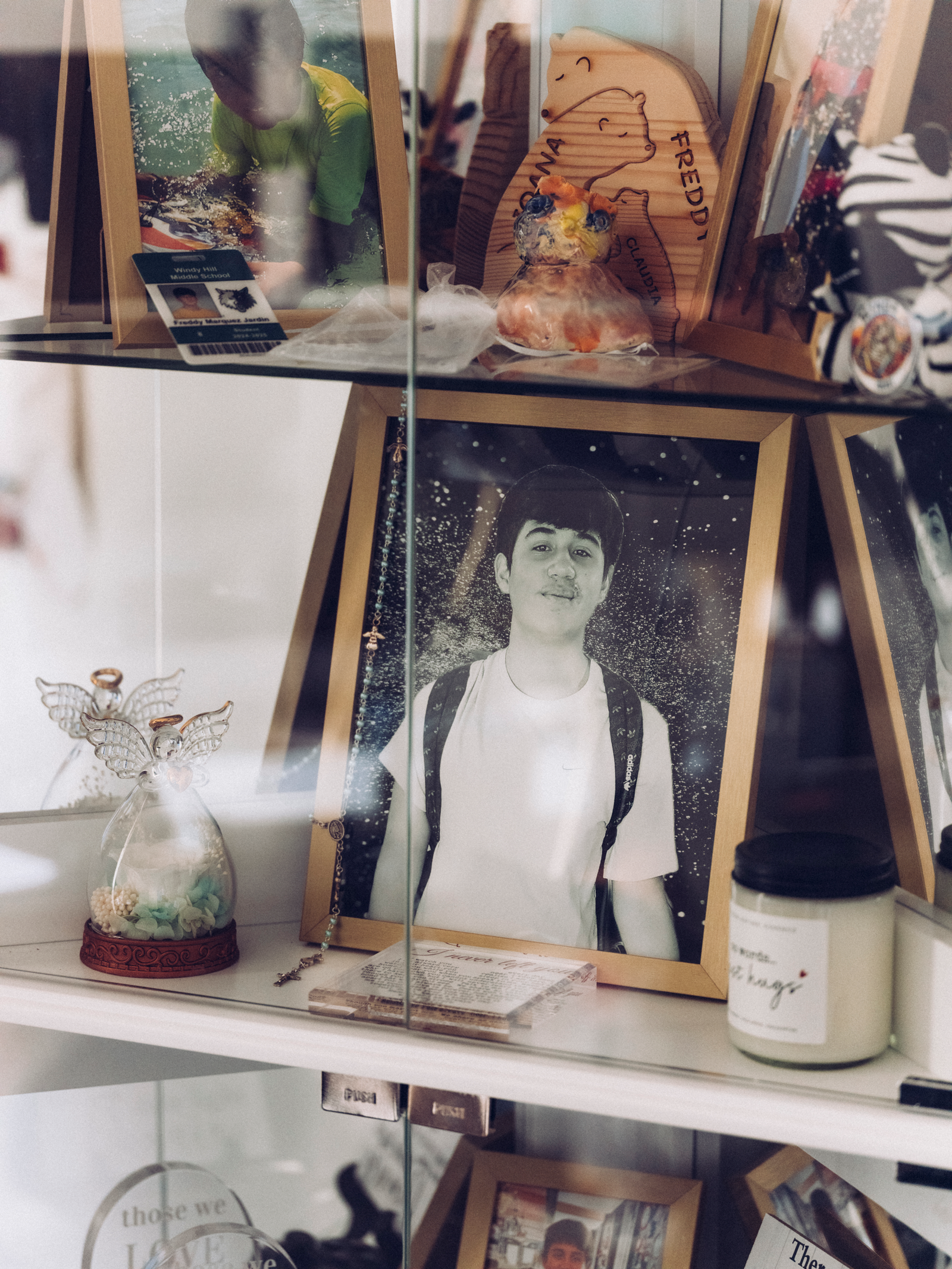
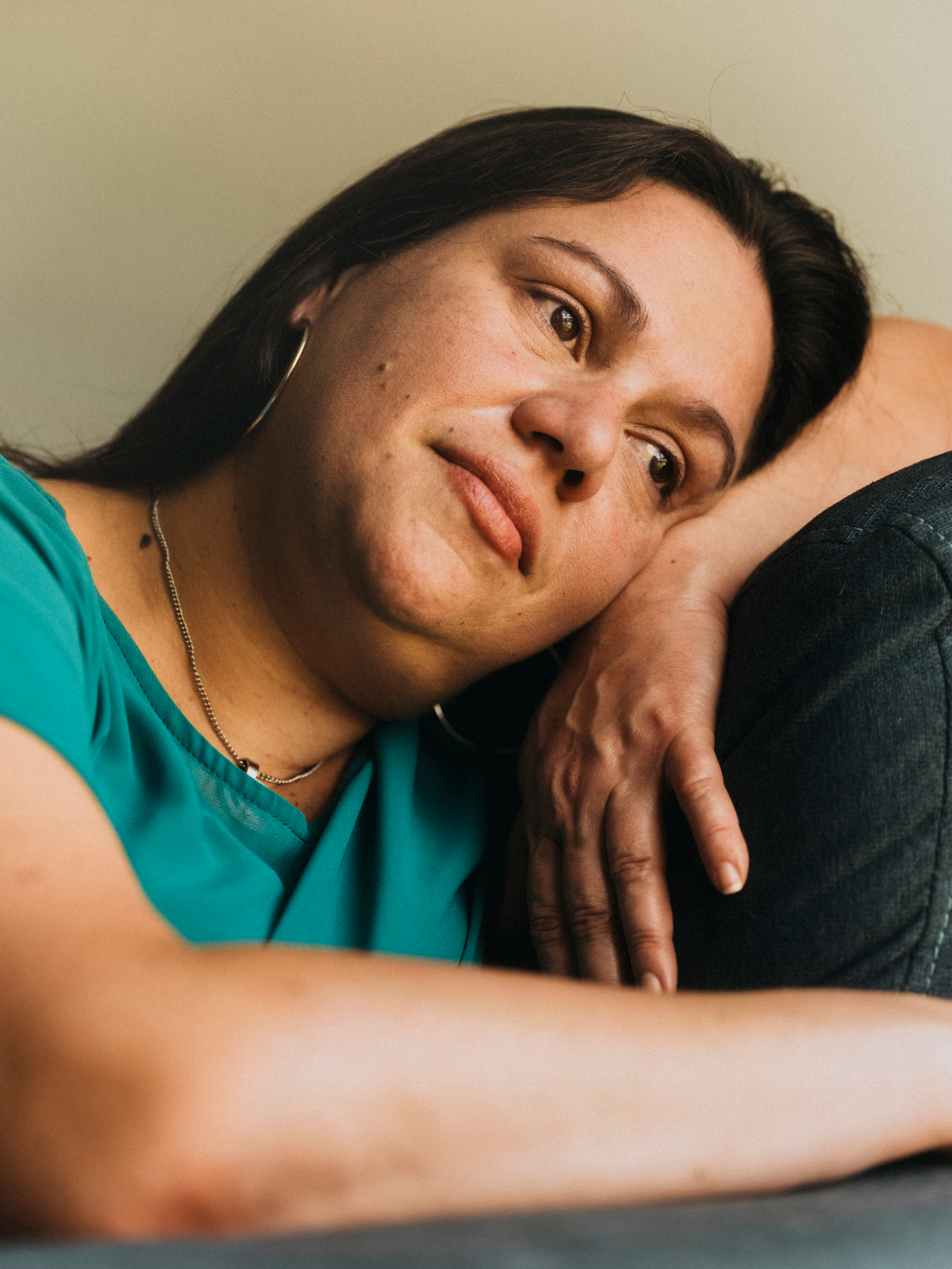
Before that final MRI, in one of their last conversations, Freddy had blurted in a half plea, half accusation, “You don’t understand what is happening to me, Mommy.” He was old enough, by then, to have lost faith in his parents’ omniscience but young enough to still yearn for it. His ordeal had revealed to him that the adult world is riddled with unknowns; that the assurances of even doctors in white coats can mean very little. “I promise that I’m going to understand. Until my last breath,” his mother told him. “I’m going to understand.”
And she would, eventually. Joana did not know it then, but Freddy’s death would be linked to dozens of cases of unexplained catastrophic brain damage after routine anesthesia, all in children or young adults. Several, like Freddy, died. Others became permanently disabled.
The mystery of why Freddy died would ultimately collide with one of the greatest unsolved mysteries of medicine: How does anesthesia work in the first place? How is it that anesthesiologists can induce a state that some have called “functionally equivalent to brainstem death”—only to reverse it? This process happens 60,000 times a day in operating rooms across the United States. Yet it remains poorly understood. What happened inside Freddy’s brain, some researchers now think, may be an extreme version of what happens inside any of our brains when we slip into unconsciousness under anesthesia.
This past May, in Germany, I watched a doctor give a talk to her colleagues about two eerily similar cases almost two decades apart. One was Freddy’s. The other was that of a boy in Germany who went under anesthesia for a broken arm in 2006. Like Freddy, Ulrich “Uli” Gabriel Gobin Hernández was 14. Like Freddy, he took hours to wake up and then gradually lost control of his muscles. But unlike Freddy, Uli survived. The woman giving the talk was not Uli’s doctor. She was his mother.
Yaremy Hernández Castillo, who is soft-spoken and modest to a fault, wore a white coat with sensible sneakers as she flicked through slides of her son’s brain scans. Most of her colleagues at the cardiac-rehab hospital where she worked had no idea that she’d spent the past 20 years—outside her job as an internist—trying to decipher his condition. Early on, she had intuited that what happened to her son could be explained only by something still unknown to medical science. “Uli Gabriel, patient zero,” she came to think of him. But in the initial lonely years of her investigation, his doctors doubted her. Her own medical colleagues did too. “Everyone told me it was absurd,” she recalled to me, even as they could muster no better explanation.
These were the facts of Uli’s case: On Saturday, January 14, 2006—a beautiful day to hit the slopes—he went snowboarding near his family’s home in the Bavarian Alps. Uli took a jump way too fast and landed on his right arm; the humerus bone did not withstand the force of impact. He ended up at the local clinic, where Yaremy worked at the time, and where she trusted he was in capable hands. On weekends, the alpine-village clinic treated an influx of skiers with mangled bones.
But as the hours passed and Uli did not wake up from surgery, Yaremy began to worry. When he finally did rouse—confused, vomiting, and talking “like a drunk man”—her instincts both as a mother and as a doctor screamed that something was wrong.
The trauma surgeon came to check on Uli’s arm and declared it perfect—his own job was done. No one else seemed to share Yaremy’s growing alarm at her son’s mysterious neurological symptoms. The word she kept using to describe this period was alone. To get an MRI of Uli’s brain, Yaremy personally arranged for an ambulance to take him to a larger hospital. On the MRI, two ghostly white spots appeared in his basal ganglia.
The death of brain cells in the basal ganglia, which coordinates movements of the body, explained Uli’s symptoms, which progressed to erratic twisting, painful muscle spasms, and involuntary protrusion of the tongue. But what had caused the damage? No one knew. Uli could still walk and talk, albeit with some difficulty, and he remembered everything: the confusion, the pain, the seven dwarfs from Snow White plastered all over his pediatric hospital room, which, as a 14-year-old, he found tragically uncool. He was impatient to get better and to get out; he had tickets to a Foo Fighters show less than two weeks later. But the day of the concert came and went, and Uli remained stuck in the hospital, his symptoms unresolved, their underlying cause still unknown. The tests that doctors ran all came back negative.
Had his anesthesiologist made a mistake? Yaremy couldn’t dismiss the possibility. How does a perfectly healthy kid become so sick from routine anesthesia, other than because of a terrible mistake? Malpractice could give grief a direction and a shape, suggesting a person to blame (a doctor) and a means of redress (a lawsuit). Friends kept telling Yaremy to sue. In the end, she did, filing a lawsuit against Uli’s anesthesiologist, Ludwig Düthorn, a senior colleague whom she regularly passed in the hallways of their clinic. At the very least, she figured, the lawsuit could help uncover what had really happened.
At the clinic, Yaremy began to avoid the ICU, where Düthorn worked, unsure of what to say about the tragedy that had rattled both of their lives. Düthorn, too, was haunted by the case. He replayed the surgery in his mind, searching for any hint of the debacle to come. Uli’s blood pressure had dipped briefly—but that wasn’t uncommon during anesthesia, and would not have been enough to cause this level of brain damage. Düthorn had counteracted the drop with a routine dose of noradrenaline, and that had worked as intended. All of Uli’s other vitals were unremarkable. All of the dosages had been double-checked by a nurse.
Afterward, whenever Düthorn had to anesthetize a healthy young boy, he would think of Uli. “I was personally devastated,” he told me. “I thought, I did the anesthesia. It is my fault. But on the other hand, I could find no mistake.”
The death or serious injury of a healthy child from anesthesia is so unusual as to be universally shocking to doctors these days. Anesthesia is known to pose risks to the elderly or ill, but even then it is far safer than it once was.
In the 19th century, as many as one out of 2,500 patients died under chloroform, then a popular anesthetic. But patients were willing to take the risk, because the alternative was pure, visceral horror: During the pre-anesthesia era, hospitals would put their operating rooms in towers, so as to spare other patients from all the screaming.
Like many medical breakthroughs, the discovery of anesthesia was something of an accident. Doctors became aware that ether, a popular party drug at the time, made giddy revelers insensitive to pain. They decided to give it a try in the operating theater: The first public demonstration was carried out on October 16, 1846, when a 21-year-old man under ether had a malformation removed from his neck at Massachusetts General Hospital. (The name anaesthesia, from the Greek for “without sensation,” was suggested by Oliver Wendell Holmes Sr., the eminent doctor and essayist who also gave this magazine its name, in 1857.) At the time, doctors did not understand why ether worked; that it did was good enough.
General anesthesia today is often likened, colloquially, to sleep. But what it does to the brain is stranger and frankly spookier: A patient who is merely asleep would not lie still and take a bone saw to the chest. To render someone so deeply unconscious, anesthesia shuts down multiple distinct functions in the nervous system, making a patient insensate, paralyzed, and unable to form memories. The brain under anesthesia is suppressed to such an extent that Emery Brown, an anesthesiologist at Harvard and MIT, has compared it to coma or brain-stem death.
“The key thing is that it’s reversible,” Brown told me. When anesthetics stop being administered, the patient starts to rouse within minutes. Their consciousness flips back on. The spell breaks. This total reversal has happened millions of times in millions of people, the magic of it now mundane. But Uli had needed hours to find his way back to consciousness, his brain adrift someplace too deep and too dark to return from unscathed.
In the months after his accident, Uli’s symptoms became manageable enough for him to return to school. Still, he could be unsteady on his feet. On a walk with friends and their dog one day in 2007, he took a tumble and fractured his collarbone. His mother hoped the bone would heal without surgery, but his erratic limb movements from the damage to his brain kept jostling the broken bone. Surgery became inevitable.
Wary of anesthesia, Yaremy asked his doctor to avoid the type Uli had received for his arm surgery. She had no scientific evidence to cite, but she hoped he would listen to her, as a worried mother and as a fellow doctor. He did not.
This time, Uli did not wake up for days. Yaremy thought he was going to die. She would open his eyelids to check his reflexes. Nothing. When his eyes finally stayed open on their own, Uli was delirious. He screamed whenever an unfamiliar nurse entered his room. He had trouble following conversations. His skin became hypersensitive to touch. He lost more control over his limbs. He would never again be able to play guitar in his band or impress girls with snowboarding tricks. He would never even walk or talk on his own.
Yaremy struggled to care for him at home, and she began to contemplate her life in small-town Germany. She had grown up an ocean away, in the boisterous city of Caracas. At 21, she met a German man at a disco in Venezuela, who became her husband and then Uli’s father, and who persuaded her to move to this tiny ski town, where her new in-laws ran a hotel. When she arrived—with 1-year-old Uli in her arms—she spoke little German. For a long time, she was the only foreigner in town. She missed the warmth of the Venezuelan sun and she missed her large family, who she knew would rally to help her back home.
And so, soon after the disastrous second surgery, Yaremy boarded a plane with Uli, now 17, to Caracas. Her younger child decided to stay in Germany with their father. They all planned to reunite in Venezuela later, but Yaremy knew her marriage was already over, its existing cracks widened by the new challenges of caring for their son.
The move proved, in one way, fortuitous. A few years into living in Caracas, Yaremy encountered the first hint that what had happened to her son had also happened to someone else. When picking up medication for Uli—Botox to relax his clenched muscles—she met another mother doing the same for her own son. The facts of his case sounded awfully familiar: anesthesia, delayed awakening, brain damage, loss of muscle control. The mother told Yaremy about a spate of anesthesia complications in the Venezuelan state of Carabobo in the early 2000s, which were blamed on a contaminated batch of sevoflurane, then a fairly new anesthesia drug in the country. Her son, this mother said, was one such case.
Uli, too, had gotten sevoflurane during both surgeries. The colorless and faintly sweet gas has since become one of the most widely used anesthetics worldwide. But Uli’s surgeries were two years apart and 5,000 miles away in Germany, which had had no reports of contaminated sevoflurane. Yaremy couldn’t see how the incidents in Carabobo could be connected to her son’s. Still, she filed them away in her mind.
Not long after, Yaremy began chasing down a second clue, which emerged as Uli’s malpractice case wound its way through the German legal system. The lawsuit itself was unlikely to succeed, now that Uli had suffered the same complications under a different anesthesiologist, but an expert examining the facts of the case made a crucial observation: The two symmetrical white spots in Uli’s basal ganglia, he said, looked much like the brain damage found in people with inherited mitochondrial disease.
Mitochondria are the tiny structures inside our cells that act as power generators. When they become dysfunctional, cells are first starved of energy; then they die. The most vulnerable cells are the most energy-hungry ones; neurons are particularly susceptible, especially those in the basal ganglia. In children with mitochondrial disease, neuron death can be triggered by physiological stress of any kind: fasting, illness, dehydration, and, yes, anesthesia. Perhaps the fault lay with Uli’s mitochondria too.
In 2013, Yaremy managed to secure an appointment at a leading genetic-disease lab in Houston. She boarded the plane with Uli, convinced that the answer awaited them at their destination. There, specialists ran a series of blood tests on Uli and searched his DNA for mutations that cause mitochondrial disease. “I felt like I was going to see the light,” Yaremy told me over breakfast in May. “But nothing happened.” She sighed, her shoulders tense with disappointment.
The tests found no mutations known to cause mitochondrial disease. Moreover, Uli had never exhibited other symptoms; mitochondrial dysfunction affects numerous parts of the body, including the heart and muscles, and symptoms frequently manifest in childhood. Uli had been a healthy and energetic boy: walking before age 1, skiing at 3. Yaremy wondered if her son’s reaction to sevoflurane could be caused by a novel mitochondrial mutation. Uli remembers hearing the doctor, who did not know he understood English, mention her belief dismissively to his medical students.
Yaremy and Uli returned home to Caracas, where they had been building a new life. Uli enrolled at Venezuela’s largest university; using an eye-tracking device to communicate, he graduated with a degree in modern languages. Yaremy worked her way up to professor of medicine at the same university.
Then, in the mid-2010s, Venezuela’s petroleum-dependent economy cratered. Public hospitals lacked equipment as basic as disposable gloves; inflation soared to more than 1 million percent. Even with her connections, Yaremy began to struggle to obtain Uli’s medications. She decided in 2018 to uproot their lives once again, taking Uli back to Germany, where he could receive more reliable care.
By then, Yaremy was closer to finding the explanation for Uli’s condition than she knew. She already held key pieces of the puzzle. But it would take a second tragedy in her family for her to realize how they fit together.
In June 2020, Yaremy got a call from her younger cousin—and Uli’s godmother—María Fernanda Pozo Castillo, or Mafer. They are close, having grown up together in Caracas. Because Yaremy is the doctor in the family, Mafer told me, everyone bugs her with their ailments. (“Yaremy, I have a headache,” she said, slipping into an imitation.) But she was calling about something much more serious. Her 13-year-old son, Matías, had just had knee surgery after a bike accident in Austin, Texas, and he’d struggled to wake up. He had gotten sevoflurane.
“Mafer, no!” Yaremy said.
Even as she began to relive the cold dread of waiting for Uli to wake up, Yaremy pulled herself into problem-solving mode. “Don’t leave the hospital without an MRI, okay?” she told her cousin. “If the doctor says it’s not necessary, it doesn’t matter. You demand an MRI.”
Mafer remembers that the doctors were reluctant to order a brain scan for her son—he’ll be kicking a ball again in three weeks, they told her. But she kept asking and asking until they acceded. Sure enough, the MRI—which was done without further anesthesia—showed two white lesions in the basal ganglia. “Same places,” Yaremy immediately said when she heard this. “Same places as Uli Gabriel.”
In the coming days, Matías started experiencing involuntary limb movement. He developed muscle contractions, even more severe than his older cousin’s, that left him screaming in pain. The contractions have persisted, even with high doses of muscle relaxant delivered straight to his spinal cord. This past summer, Matías’s pain became so excruciating that he had to be hospitalized in the ICU. His mother cares for him full-time. Before we spoke on the phone, she kept apologizing that she might need to leave at any minute to tend to him.
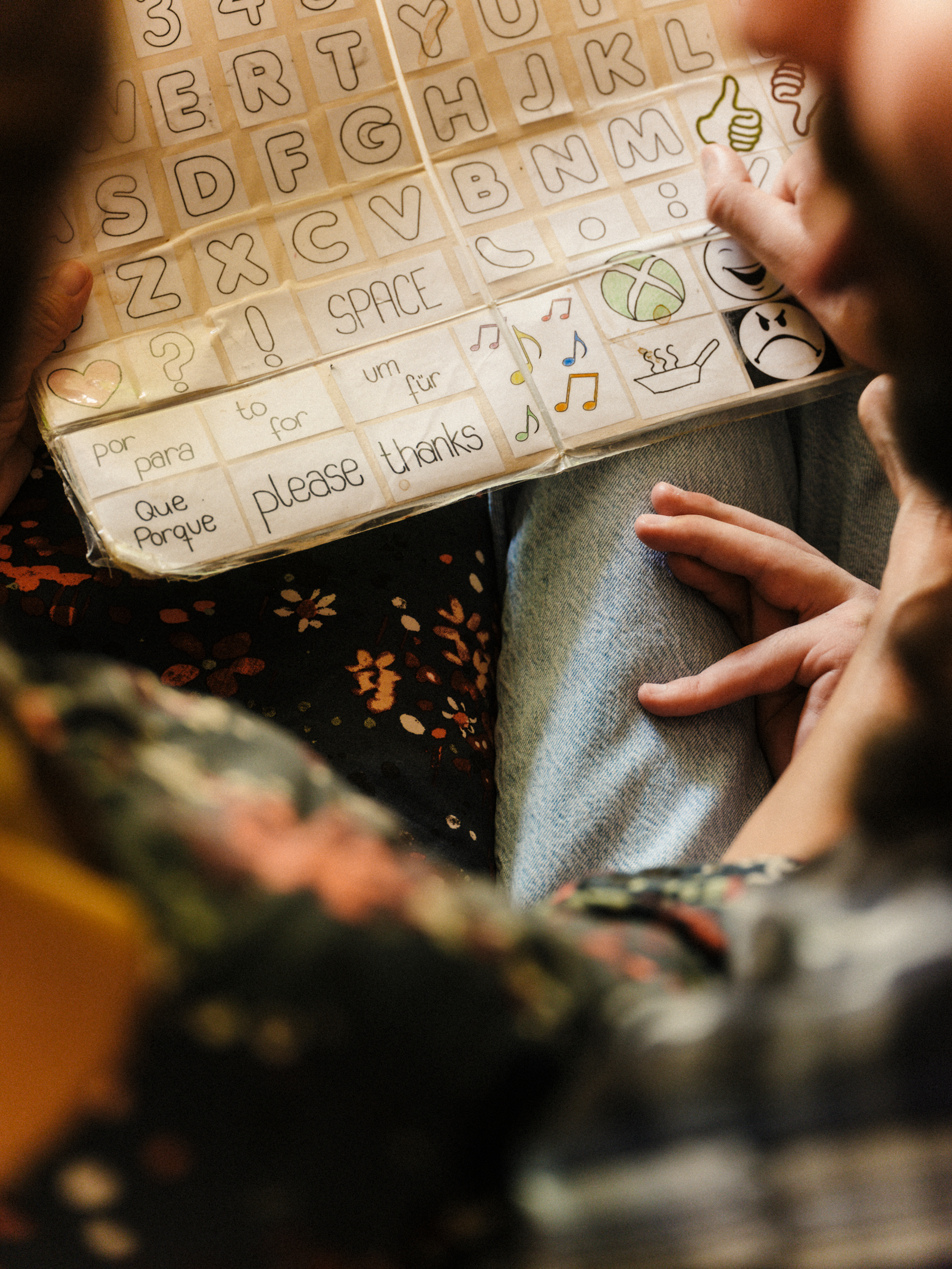
Yaremy was devastated for her family; so was Uli. “I wouldn’t wish it on anyone,” he told me when we met in the spring, tapping the sentence out letter by letter on a board that he uses to communicate.
Yet amid her grief, Yaremy’s scientific mind got to work: One kid in her family? Okay, a fluke. But two? It had to be genetic. She thought of Uli’s mitochondrial-DNA test from seven years earlier. The sequencing had found no mutations known to cause disease. But the report did note some “variants of unknown significance,” including one called m.11232T>C, meaning that the 11,232nd letter of his mitochondrial genome had been altered from a T to a C. No one made much of the finding; all of us have variants of unknown significance in our genomes, most of which are of little consequence, like minor typos that do not obscure the meaning of a sentence. But maybe this mutation was, in fact, significant.
Mitochondria carry their own loop of DNA, separate from the chromosomes that make up the rest of our genome, and are inherited through the maternal line. Yaremy’s mother and Mafer’s mother are sisters, so they and their children share the same mitochondrial line.
Could a single typo in their mitochondrial DNA be responsible for all of the catastrophic brain damage in the family? And what was the connection to sevoflurane?
Yaremy now began searching for a scientist to study her family. She suspected that Uli and Matías carried the same mutation, as might other relatives. Two of her mother’s sisters, she realized, had also suffered complications after surgery that now seemed to trace back to anesthesia. Were others at risk too?
She found Julio Montoya, an expert in mitochondrial disease at the University of Zaragoza, in Spain, who saw her email in a waiting room as he was about to undergo emergency surgery for a detached retina. With his one good eye, he read it and replied immediately. He was keen to investigate.
Montoya and his colleague Eduardo Ruiz-Pesini had, it turned out, seen the m.11232T>C mutation before. In 2018, they had found it in a Venezuelan boy at a Barcelona hospital. This patient had become severely ill after surgery to remove his tonsils and adenoids—and deteriorated even further with subsequent rounds of anesthesia in later years. The Spanish team decided, along with Yaremy, to put together a formal research proposal. The boy from the Barcelona hospital would become patient one in their study; Uli became patient two, and Matías patient three.
Over the years, Yaremy had talked with colleagues in Venezuela about Uli so relentlessly that word sometimes came back to her of similar cases: nearly always kids, nearly always after routine surgery. An introvert by nature, Yaremy had to learn to badger anyone and everyone for a useful crumb of information.
She began running down some of these rumors: The wife of the son of a friend knew a neurologist who knew an anesthesiologist who knew of a boy who had fallen ill after surgery on a broken forearm. He became patient four. Patient five was the boy whose mother she’d met picking up Botox in Caracas. A physical therapist told her about a boy who’d had cleft-lip surgery—patient six. An old friend from medical school, an anesthesiologist, had examined a boy who developed symptoms after surgery for a cochlear implant. The friend had once been skeptical of Yaremy’s theory, but now he helped her gather data. This boy became the seventh and final patient in the study.
All of the patients who ended up in the study were boys, but Yaremy heard of girls affected, too. For every patient she managed to track down, she followed other trails that ran cold. Families who’d filed lawsuits were reluctant to talk; others were lacking complete medical records. The allegedly contaminated sevoflurane in Carabobo, Yaremy learned, had been widely discussed among doctors at the time, but news coverage of the events 20 years ago had disappeared from the internet as a result of the regime’s media crackdowns and poor digital recordkeeping. She managed to get hold of one newspaper article—a printout saved by the mother picking up Botox in Caracas. But she was not able to find any other families whose children had died or become disabled in Carabobo.
A haunting pattern appeared in the cases she was able to pull together. All seven patients in the study had received sevoflurane. Most of them could trace their maternal relatives to Carabobo; Yaremy’s own maternal grandmother was from the state. And all seven had the same T-to-C mutation. This mutation is extremely rare, even in Venezuela, but it is an estimated 15 times more prevalent in Carabobo, where it is believed to have originated many, many generations ago. The Spanish researchers hypothesized that this old mutation had taken on new, potentially fatal importance in the era of modern anesthesia.
General anesthesia today is usually achieved through a cocktail of drugs, both inhaled and intravenous. Of these, sevoflurane is one of the most popular, particularly for children. It is easy to administer, quick to work, and not irritating to the airways. But sevoflurane seemed to behave differently—and dangerously—in the presence of the T-to-C mutation.
To prove this, the Spanish researchers would need to collect cells with the mutation and subject them to sevoflurane in a lab. Yaremy volunteered her own. In the fall of 2024, she found a colleague to draw her blood and a lab to biopsy a ribbon of her skin. Her cells soon made it to Spain, where the team got to work.
As the lab experiments were ongoing last summer, tragic news came out of Chile. Five children there had suffered terrible outcomes after routine anesthesia; four were dead, according to an alert from the Chilean Society of Anesthesiology. All five children were Venezuelan.
The news spread within the Venezuelan diaspora. In the past decade, more than half a million Venezuelans have moved to Chile, where they have not always found themselves welcome. Now some of the parents alleged that poor medical care and discrimination had killed their children. They filed lawsuits and demanded justice on social media. In videos the parents shared of their children on Instagram and on TV, they are all bouncy and bright: a 4-year-old girl swinging in gymnastics class, a 2-year-old boy in a Messi jersey kicking a soccer ball.
Chilean investigators were able to collect genetic samples from only three cases—out of what had grown to a total of seven in the country—but all three patients had the same T-to-C mutation. One of the children who died in Chile, Yaremy later learned, was the cousin of a patient in her study. As word of the mutation spread around the world, doctors started reporting cases in the United States, Canada, Colombia, Peru, and Guyana.
“I suffered with each kid, each mother,” Yaremy told me. Even when a child survived, she saw ahead to their “lifetime of complications.” She often thinks about the boy with the cleft lip from her study, who, abandoned by his mother, lives in a poor village in Venezuela with his grandmother. His family can’t afford Botox or other treatments. In videos she has seen, his muscles are always clenched, his limbs unusable.
Back in Spain, the researchers raced to finish the experiments. They ultimately found that cells carrying the mutation were indeed hypersensitive to sevoflurane. This mutation could explain why Uli—and Matías and all the other children—had stayed unconscious for so long after surgery. The study, with Yaremy as a co-author, was the cover story of the June 2026 issue of Anesthesiology, the official journal of the American Society of Anesthesiologists. Accompanying it was an editorial written by two physician-scientists in the U.S., Richard Levy, at Stanford, and Philip Morgan, at Seattle Children’s Hospital.
I had first spoken with Levy a few months earlier, after the ASA issued an alert—following up on the one in Chile—about terrible complications from anesthesia, primarily sevoflurane, in people with maternal Venezuelan ancestry. In our conversation, I asked what seemed like a basic question: How does sevoflurane work? “If you can figure that out, you have a Nobel Prize,” Levy told me. “The reality is, we don’t know.” We don’t know how any inhaled anesthetics work. But this novel mutation out of Venezuela, he and Morgan thought, might hold a clue.
Anesthesia likely taps into something evolutionarily ancient in the body. A one-cell protozoan, a Venus flytrap, and a human are all susceptible to anesthesia—and two of those things don’t even have a brain.
For most of the 20th century, scientists clung to the idea that these drugs perturb the fatty membrane of living cells—a hypothesis based on how the gases behave in olive oil. But by the 1980s, a new dogma began to take hold: Anesthetics bind to proteins on the surface of brain cells, which interrupts their signaling. This is best understood in a drug called propofol, which is a common anesthetic but not an inhaled one; the milky-white liquid is delivered via IV. In an elegant set of experiments in the 2000s, scientists identified propofol’s primary target as a protein called the GABA receptor. Yet the same experiment, when repeated with a common inhaled anesthetic, failed to find an analogous target. Decades later, it remains elusive. Maybe it doesn’t exist.
Today, the general consensus regarding the mechanism of inhaled anesthesia is that the gases bind weakly to many proteins in the brain, which together add up to complete loss of consciousness. Most practicing anesthesiologists don’t think much about this. Sevoflurane works. The proof is in the operating room every day. What more do you need?
But a group of researchers dissatisfied with the conventional wisdom on proteins, including Levy and Morgan, has been slowly building the case for an alternative hypothesis: Actually, it’s the mitochondria.
When these researchers heard about children with a mitochondrial mutation dying from anesthesia, they immediately saw the implications. Scientists have long relied on rare mutations to probe the mysteries of biology. In another Venezuelan state called Zulia, for example, families with a shared mutation for Huntington’s disease have been crucial to our understanding of the condition. Rare mutations are a kind of natural experiment.
Morgan, along with his wife and scientific collaborator, Margaret Sedensky, had once run lab experiments looking for mutations that altered sensitivity to anesthesia—though only in a tiny, transparent worm called Caenorhabditis elegans. When they induced random mutations in the worm, they found that the relevant ones were clustered in the mitochondria. Their findings didn’t make much of an impact among their fellow anesthesiologists, though. “We’re like the comic relief at our big national meeting of 15,000 anesthesiologists,” Sedensky told me. “ ‘Here come the worm doctors.’ ”
But Morgan and Sedensky kept working out the details of their theory. Inhaled anesthetics such as sevoflurane, they now argue, work by inhibiting the mitochondria, inducing a kind of temporary brownout in the brain. The bubbles used to transport brain chemicals become frozen in place, like cars that have run out of gas. They restart as soon as anesthesia is discontinued. But in some hypersensitive patients, the mitochondria could become so impaired that their brain cells die. Morgan had found some of these hypersensitive patients before, but he believes Uli’s mutation could help pinpoint more precisely how anesthesia works on mitochondria. This past summer, cells with the mutation—derived from Yaremy’s blood sample—arrived in the couple’s lab in Seattle.
Understanding how anesthesia works, Levy told me, could enable scientists to design better drugs that precisely target the brain, without lingering side effects. Though modern anesthesia drugs are generally quite safe, they are imperfect. They affect the cardiovascular system; they affect ostensibly unrelated areas of the brain, such as the region that controls nausea. And they have been linked to cognitive decline in the elderly after surgery—though the degree to which the drugs are responsible, as opposed to other factors such as the physical effects of surgery, is still being debated. How much of that can be avoided?
Before her study was published, Yaremy had someone she needed to call: Ludwig Düthorn, Uli’s anesthesiologist after the snowboarding accident. She had not seen Düthorn since testifying against him at the malpractice trial years earlier. She’d lost the suit; legally, he had already been absolved. Personally, she felt she had to apologize.
Düthorn was gratified to know what Yaremy had found, but even now, he told me, he feels a doubt gnawing at him in the operating room. Uli had a silent and novel mutation in his DNA. Could his next 14-year-old patient have a different one?
Cases like Uli’s unsettle everyone they touch. In the 2000s, Rafael Legórburu, then an anesthesiologist in Caracas, treated a young boy who would not wake up after sevoflurane—a case he now suspects was connected to this mutation. The boy suffered profound brain damage. Legórburu still finds it difficult to talk about 20 years later. “I have a scar,” he told me, “for the rest of my life.” Today he lives in Spain, where he practices aesthetic medicine, administering Botox and fillers; he says he’ll never touch sevoflurane again.
Doctors are now revisiting a number of old malpractice cases—some of which resulted in large settlements—that might be explained by the T-to-C mutation. An anesthesiologist whose hospital had settled one such case involving their patient told me they felt relieved, and vindicated. (They spoke with me on the condition of anonymity because they were not authorized by the hospital to speak publicly.) At the same time, they could not entirely shake their sense of responsibility. “It was the worst experience of my life,” they kept telling me.
A group of Venezuelan anesthesiologists—largely based in the U.S.—recently formed the Venezuelan Anesthesia Perioperative Risk society, or VAPOR, to raise awareness of the mutation among health-care workers, and to promote guidelines for screening and treating patients with maternal Venezuelan ancestry. A quarter of Venezuela’s population—8 million people—has left the country in recent years, meaning the mutation is scattered more widely than ever. Yet within Venezuela, no lab is testing for it, and anesthesiologists do not routinely have access to the specialized equipment needed to administer anesthesia without inhaled gases.
Yaremy is working with scientists to continue studying the mutation, about which many questions remain: Do other anesthetic drugs, inhaled or administered via IV, pose a danger? Are children more vulnerable, or have we simply not looked hard enough yet in adults? The oldest known patient to be affected was 31 years old.
In her own life, Yaremy has finally found a measure of stability. She and Uli live in Radolfzell, a bucolic lakeside town in southern Germany, where she works at the cardiac-rehab hospital. It’s calmer than the ICUs where she’s worked in the past. “B-O-R-I-N-G,” Uli joked, tapping out the letters in English. But the calm is welcome after years of upheaval. Uli has his own apartment and a rotating cast of full-time assistants; he works as a translator for medical records. (He is fluent in English, Spanish, and German.) He is a doting uncle to his niece and nephew, the children of his younger sibling, Levi.
The mutation still lurks in their lives. Both times after giving birth, Levi, who uses they/them pronouns, developed an infection in the uterus and needed surgery. Yaremy made sure that they did not get sevoflurane. But what about Levi’s kids, who also have the mutation? What if they’re rushed into emergency surgery on their own? Levi had closely followed the news of the children who died in Chile. “They could have been my kids,” Levi remarked as we parted ways after a family lunch by the lake. The water was a brilliant clear blue that day; so was the sky.
A few days after I left Germany, Yaremy learned about a new suspected case: a 12-year-old boy who’d had trouble waking up after surgery in Caracas. “How can this still be happening?” Uli wrote to me. “I mean what the ****!?”

Joana, Freddy Marquez’s mom, first caught wind of the suspected mutation in the summer of 2025, when she heard on social media about the children who’d died in Chile. She, too, is originally from Venezuela. And she made the connection instantly. Months earlier, when Freddy had been hospitalized, his doctors had ordered a genetic test that turned up a variant of unknown significance. Freddy had the m.11232T>C mutation as well. This information never made it into his chart for the same reason Uli’s mutation wasn’t initially taken seriously: No one understood its importance at the time.
Joana began commenting about Freddy on every related post she could find. One by one, she linked up with others who told similar stories: another mother in Florida, the family of a girl who died in Houston, Yaremy’s cousin Mafer in Austin, and so on. Joana got added to a WhatsApp group for the parents in Chile, which has since evolved into a de facto global support group for parents of children with this rare mutation. Through the group, Joana also learned of Yaremy. They spoke for the first time in February, and recognized in each other a maternal instinct that is both steely and tender. “She was in tears,” Joana told me, “and I was in tears.”
In February, Joana appeared on Instagram Live in a zebra-print shirt to talk about Freddy, alongside other affected mothers. The zebra print was a reference to the old medical adage “When you hear hoofbeats, think horses, not zebras”—meaning: think of the common explanation, not the exotic one. But sometimes, it is zebras. Freddy died because what happened to him lay just outside medical knowledge. His particular mutation is rare, but encounters with the unknown in medicine are not. Joana was asking for some humility, some openness to the possibility of zebras. Since Freddy’s death, she has made advocating for people with rare mitochondrial conditions her life’s mission.
Joana can still picture him: swimming, playing basketball, riding “like crazy” on his bike as Gordito, his Alaskan malamute, raced alongside him. “His flipping dog is now chasing me wherever I go,” she said. And Joana continues to propel herself forward. She’s cold-calling researchers. She’s going to medical conferences. She’s offering up her own cells to study. She is keeping the promise she made to Freddy before he died.
This article appears in the November 2026 print edition with the headline “Going Under.”